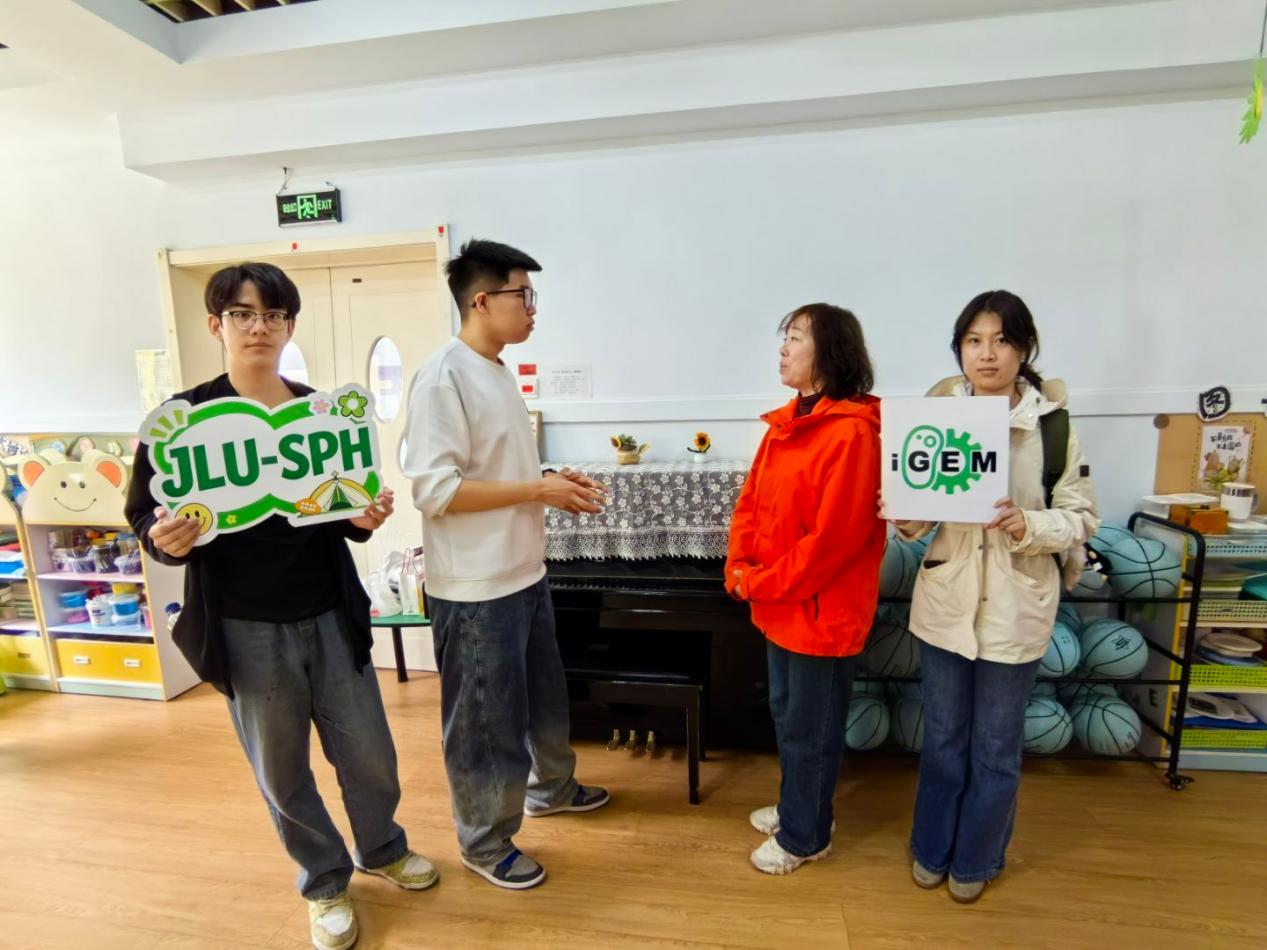
The elderly and children, as highly susceptible to respiratory infectious diseases and often constrained by frailty, advanced age, or limited mobility, are key vulnerable groups requiring moved-forward prevention lines and nearby support in public health emergencies. They are also central to our development of convenient respiratory disease testing devices. This concern drives us to bring testing as close to them as possible. Establishing sentinel surveillance sites in nursing homes and kindergartens has long been a mature practice worldwide; proactive screening in these most vulnerable settings enables early outbreak detection and respiratory health protection.
The WHO defines public health surveillance as the continuous, systematic collection, analysis, and dissemination of health data. The U.S. CDC further specifies that sentinel surveillance pre-recruits designated institutions—such as schools, childcare centers, hospitals, and universities—to report specific health events, enabling scientific inference of population-level disease trends. This provides a solid theoretical basis for designating nursing homes and kindergartens as key sentinel sites.
Globally, proactive surveillance networks anchored in eldercare and childcare facilities have evolved from pilots into mature, evidence-based systems with replicable experience. In elderly care, the Netherlands' SNIV network—where nurses and geriatricians report healthcare-associated infections and collect etiological specimens weekly—validated the feasibility of systematic, year-round institutional surveillance. The U.S. NHSN Long-term Care Facility Module mandates approximately 15,000 certified nursing homes to report weekly COVID-19, influenza, and RSV cases, forming a nationwide real-time monitoring platform. Europe's HALT project and the UK's VIVALDI program link over a thousand care facilities into research-oriented sentinel networks. Hong Kong, China, requires nursing homes to register and report fever, diarrhea, and other symptoms daily. These practices confirm that nursing homes have become core frontline sentinels globally for healthcare-associated infections, antimicrobial resistance, and respiratory virus outbreaks. Even in resource-limited South Africa, the DATCOV system effectively collects outbreak data from 45 long-term care facilities, further confirming the model's universality.
For young children, the Netherlands' KIzSS network employs a prospective cohort design to continuously track infectious disease symptoms and healthcare-seeking behaviors among daycare children and staff, directly validating childcare facilities as sentinel sites. Across diverse economies and health systems, these practices confirm a core insight: sentinel sites in nursing homes and kindergartens can precisely capture early pathogen transmission signals among the elderly and children, building the first line of public health early warning for vulnerable populations.
This internationally recognized model has also gained clear institutional and legal safeguards in China. Article 28 of the newly revised Law of the People's Republic of China on Emergency Response to Public Health Emergencies formally designates nursing homes and kindergartens as public health surveillance sentinel units, providing strong legal support for a localized, standardized surveillance system for key populations.
Based on this theoretical guidance, global experience, and domestic legal safeguards, our team innovatively established a "dual sentinel" model encompassing nursing homes and kindergartens: our independently developed convenient testing device is deployed simultaneously to both site types, enabling elderly residents and preschool children to complete non-invasive, rapid, convenient pathogen testing in familiar settings without traveling to medical institutions. Through this biosurveillance network combining scientific rigor with humanistic care, the elderly and children are fully integrated into the core protection scope of the public health early warning loop, achieving early detection, identification, warning, and intervention. With sentinel sites as the nexus linking all participants, a closed loop of technology output, implementation, collaborative optimization, and data feedback is formed, making the dual sentinel sites the core carrier for project implementation, validation, and continuous upgrading.
At project initiation, we aligned with international public health needs, confronted the challenge of on-site rapid testing for emerging infectious diseases, conducted systematic community research and interviews, and identified respiratory infectious diseases as a key grassroots public health issue. We precisely captured the real difficulties of elderly and young susceptible populations and, through discussions with public health school and health commission experts, established the R&D direction of "multi-pathogen single-test detection, rapid single-test results, and testing accessible to all."
During solution design and dual sentinel preparation, we grounded our work in the actual conditions of the two settings, completed initial technology and process design, and finalized sentinel construction standards with local health authorities, forming a standardized rapid testing system adapted to nursing homes and kindergartens. After operation began, we collected authentic feedback from institutional managers, frontline medical staff, nursing staff, family members, and users, using operational pain points, adaptation difficulties, and user experience as core bases for iteration. Through continuous practice, we developed and implemented the Empathy Engineering initiative, completing a design upgrade from functionalism to human-centered logic. For nursing home feedback on finger tremors, visual decline, and sampling difficulties, we optimized the closed locking slot, high-contrast large-font interface, and intelligent voice assistance to lower operational barriers. For kindergarten feedback on children's fear and low cooperation, we developed a hydrophilic sponge lollipop-style non-invasive sampler with a gamified guidance process, fundamentally resolving resistance among young children and making Empathy Engineering a key outcome in responding to on-site needs.
In the deepening implementation and long-term operation phase, we centered on dual sentinel construction and effective operation, fully transferring iteratively optimized technical solutions, operational protocols, and emergency procedures to partner units. Community health service center teams undertake operations in nursing homes, while kindergarten medical teams handle kindergarten implementation, strictly adhering to biosafety requirements. In sentinel nursing homes, we focus on "early identification, rapid response, strong coordination," paired with an intelligent monitoring linkage that automatically uploads vital signs and testing data and triggers immediate alerts, shifting institutions from passive response to proactive prevention. In sentinel kindergartens, we implement a child-friendly non-invasive testing process with cartoon guidance and health education, integrating testing smoothly into daily morning checks, effectively blocking virus transmission and enabling the dual sentinels to serve as true frontline positions for grassroots prevention.
Throughout the full cycle, we insist on field feedback-driven optimization. To precisely address implementation bottlenecks in key scenarios, the team conducted a targeted questionnaire survey and interviews with 755 eldercare workers, capturing the most vivid aspirations from their daily work. Based on this feedback, we optimized the project design, directly addressing real-world pain points and advancing implementation.
To address difficulties such as inconvenient sampling positions for the elderly, low cooperation among children, cumbersome procedures, and complex data reporting, we continuously iterated operational guidance, simplified execution processes, and improved system adaptation, turning every frontline suggestion into directions for technical upgrading and process optimization. This ensures that Empathy Engineering remains rooted in real scenarios and serves the effectiveness of the dual sentinel sites. Ultimately, with the dual sentinels as the core support, and through a complete path of continuous practice, feedback, improvement, and enhancement, intelligent rapid testing technology is precisely implemented at the grassroots level, building a professional, efficient, and humanistic public health protection barrier for the elderly and children.
Today, sentinel kindergartens and nursing homes have become frontline outposts for protecting the health of key populations. The testing technology solutions we provided have been implemented by partner institutions, building a safety barrier for the elderly and children while also filling a key gap in regional public health surveillance. Moreover, we have documented the entire process—including the technology transfer workflow of the dual sentinels, stakeholder interaction records, and typical compliance implementation cases—on the iGEM Wiki. This not only presents the compliant pathway of our technology translation but also aims to provide a reusable paradigm for iGEM teams worldwide undertaking similar key-scenario practices, balancing biosafety compliance, practical implementation effectiveness, and multi-party collaboration.
For patients, susceptible populations, and close contacts, the team has established a full-cycle needs feedback mechanism. Through diverse research methods such as online questionnaires, offline interviews, and community surveys, we regularly collect their usage experience and accessibility demands regarding testing technology, and incorporate this feedback into the project's iteration priority list.
Through research, we identified pain points in home rapid testing and have continuously iterated and optimized with user needs at the core.
For core settings such as Medical Institutions and public health agencies, we established a systematic mechanism for aligning clinical and prevention/control needs. Through stratified online questionnaires, in-depth departmental interviews, workflow-embedded shadowing research, and convenient real-time feedback portals, we precisely collected stakeholders' core demands regarding operational convenience, system compatibility, result accuracy, and process integration, learning directly from frontline clinical settings. These feedback items were systematically incorporated into technology iteration and process optimization.
Throughout the project, we maintained two-way alignment between top-level design and grassroots practice. Through in-depth discussions with experts from CDCs and specialists in epidemiology, statistics, laboratory medicine, respiratory medicine, and infectious diseases, we defined the core requirements of on-site rapid testing, multi-pathogen combined screening, data interoperability and sharing, and grassroots usability, and selected a five-target panel comprising influenza, COVID-19, RSV, hMPV, and Streptococcus pneumoniae, forming a technical pathway aligned with national public health strategies and clinical needs. In response to issues in key settings such as nursing homes and kindergartens—including susceptible populations, high clustering risk, cumbersome traditional testing processes, and delayed result feedback—we combined public experimental demonstrations, parallel comparative validation, and expert interpretation to intuitively demonstrate the accuracy and stability of the testing technology, effectively alleviating frontline workers' concerns about precision and environmental suitability, and promoting the technology's shift from a specialized epidemic prevention tool to an inclusive health service, while continuously optimizing through feedback collection.
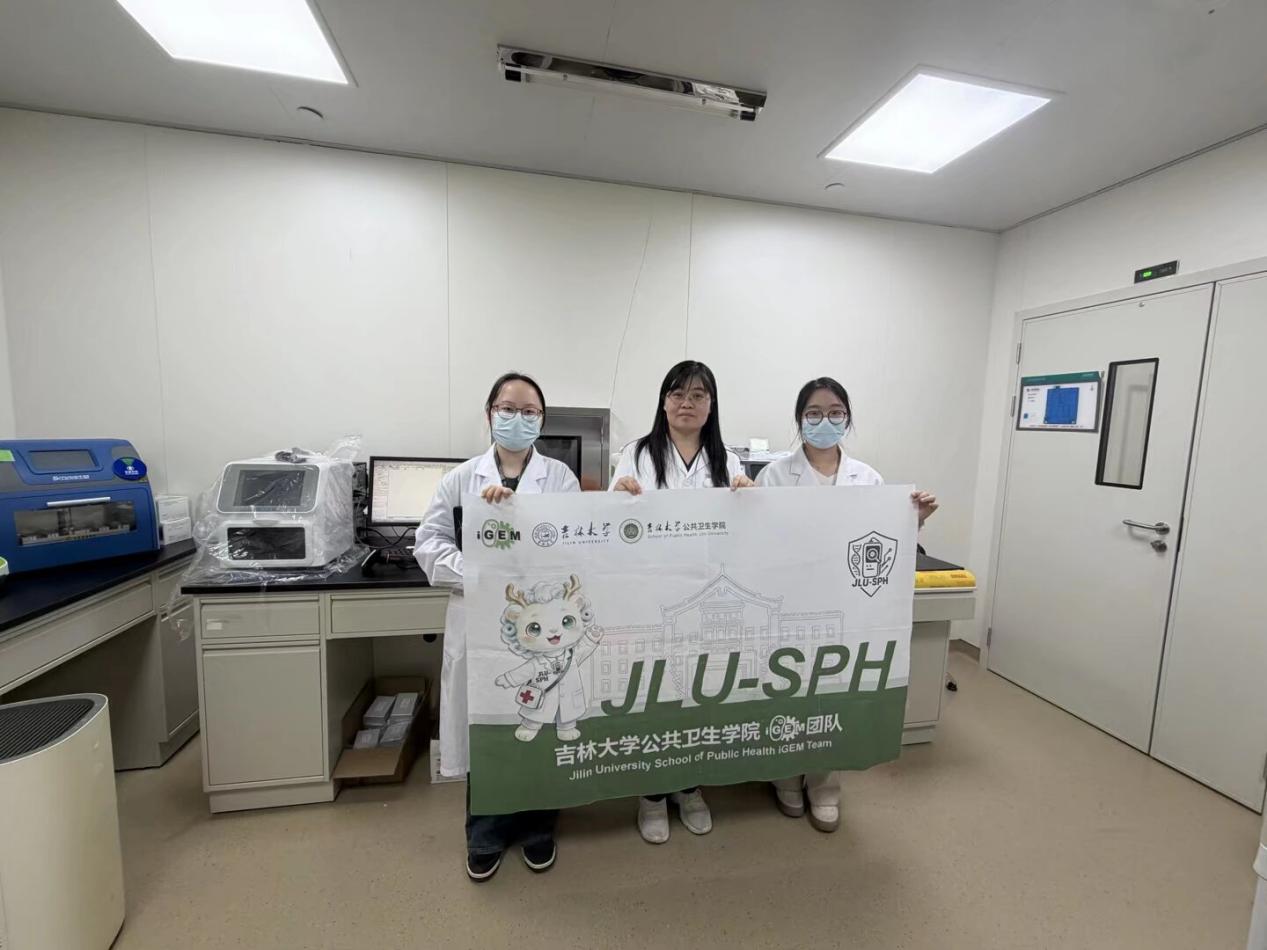
Meanwhile, in collaboration with professional research institutions, we built a platform for correlation analysis of testing data and immune indicators. Based on the characteristics of immune decline in the elderly and immature immune systems in children, we formulated differentiated monitoring, intervention, and health management plans. We established long-term clinical collaboration mechanisms with respiratory, laboratory, and infectious disease departments of tertiary hospitals, receiving professional support across the entire process of pathogen screening, technology development, and outcome validation. Real-world diagnostic pain points drove technology upgrading, achieving deep integration of research innovation and clinical application.
On this basis, we deployed the rapid testing system to community health service centers, building an integrated prevention and control model of "nearby testing—data reporting—risk early warning—precise intervention." Combined with community grid-based management, this formed a full-chain respiratory infectious disease prevention and control network covering key settings, grassroots communities, and medical institutions, providing solid support for early identification, rapid response, and comprehensive prevention and control.